
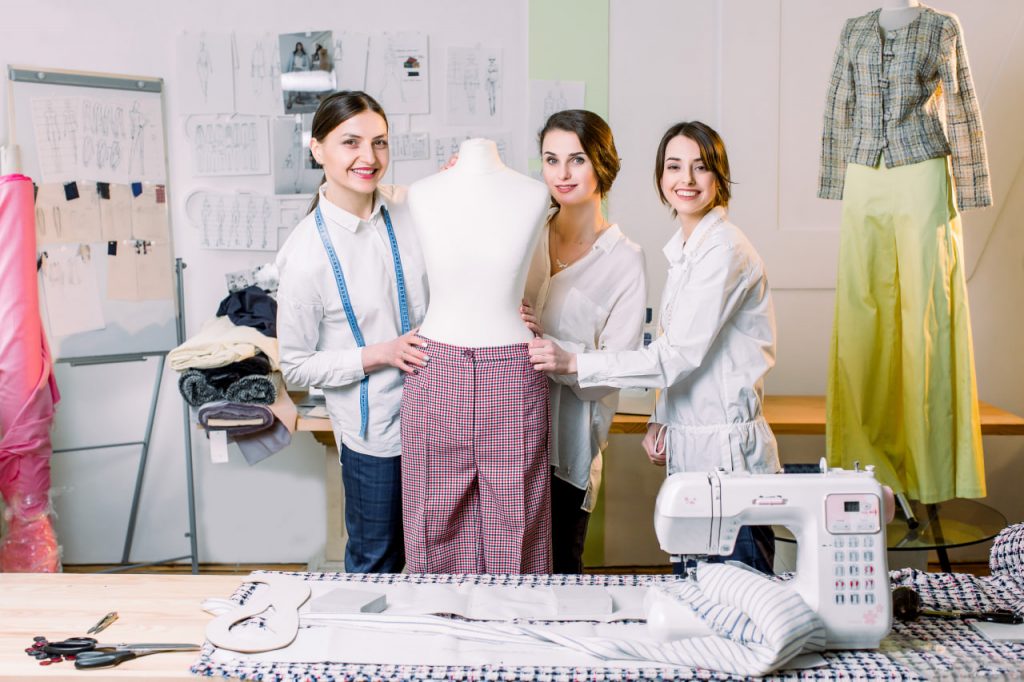
When it comes to sewing, choosing the right fabric for the job is one of the most important steps. Fabric type, weight, and texture will influence the appearance, feel, and fit of your finished garment. At SewCloth we teach our students, from beginner to advanced, how to select fabrics which match the goals of their project. In today’s post we share some advice for selecting the perfect fabric for your next project.
1. Different types of fabric Fabrics can be broadly categorised into several different types, including: Cotton. Easy to work with, and a great choice for new sewers. Durable and hard wearing. Linen. Lightweight, breathable, and great for summer garments. Crumples easily, and creases. Silk. Feels luxurious, smooth and opulent. Can be tricky to work with for new sewers. Wool. Warm, and perfect for coats, jackets and blankets. Synthetic. Fabrics made from man-made fibres. Great for activewear, they’re often stretchy, and easy to care for.
2. Fabric weight Fabric weight describes how thick or heavy a particular fabric is. The right weight of fabric will depend on what you are making. Very light fabrics, like chiffon or silk are perfect for a floaty dress, while medium weight fabrics such as cotton or linen are perfect for everyday garments. Thick, heavy fabrics like denim and wool are best suited to garments which need structure, such as jeans, skirts and coats. When choosing a fabric for your project, always select a fabric which is of a suitable weight.
3. Fabric stretch Some fabrics, like jersey and spandex, have a natural stretch to them. These fabrics are perfect for garments which need to fit closely to the body, like t-shirts and leggings. Fabrics which don’t have any stretch to them can be used to make garments which don’t require a fit, like loose sundresses and gathered skirts. You can make fitted garments with fabrics which don’t stretch, but you will need to be very careful with your measurements, and make sure you are using a pattern which is designed for non-stretch fabrics.
4. Fabric care When you buy fabric for a project, always think about how your finished garment will be used and cared for. Fabrics like cotton and polyester are easy to wash and wear, but if you choose a silk or other delicate fabric, your garment may need special care. Think about your lifestyle, and make sure you choose a fabric which fits into it. There’s no point making a beautiful silk dress if it will be ruined the first time you wash it!
5. Feel and test fabric Always touch fabric before you start working with it. It’s great if you can see how it drapes and hangs, and even better if you can wash and dry a sample of fabric to see how it will look after it has been laundered. Even if you are buying fabric online, you can order a sample swatch before committing to a purchase. If you can, sew a small test swatch to see how it behaves. Pin a small sample of fabric to yourself to see how it will behave.
6. Consider your skill level Some fabrics are much easier to work with than others. If you’re a new sewer, you may find it easiest to start with cotton or linen. These fabrics are relatively easy to cut and sew, and will be very forgiving. More experienced sewers may enjoy working with trickier fabrics like slippery silks, stretchy knits, or textured fabrics like velvet.
Conclusion
Choosing the right fabric is one of the most important things you can do to ensure your sewing project is a success. Make sure you understand what your fabric is made of, what weight it is, whether it stretches or not, how it will be cared for, how it feels, and whether you have the skills to work with it successfully. By thinking carefully about each of these factors, you can create garments which are comfortable to wear, look professional, and stand the test of time. At SewCloth we work with our students to help them understand how to choose fabrics which meet the needs of their project. With our small class sizes, and one-on-one guidance, we make it easy for you to learn how to sew, and to get the most out of every project.